International Archives Day: Focus on fundraising
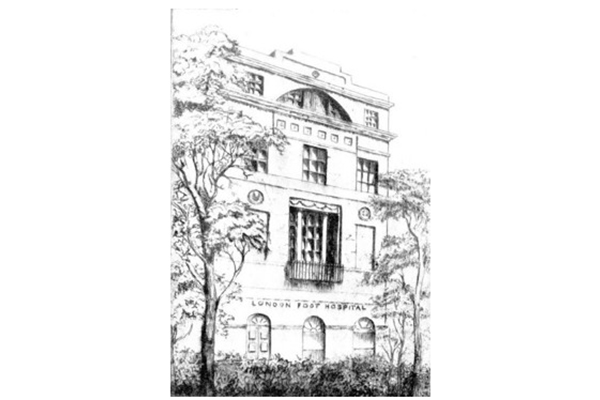
To celebrate International Archives Day on 9 June here is a look at the fascinating ways the Incoporated Society raised funds for the London Foot Hospital and various building works
In the early years of the Society there were continued attempts to raise monies for building works and the London Foot Hospital.1
In 1926 these included:
- SED and OS 'Lucky Dip'
- Hospital Saturday Fund
- Derby Sweepstakes
SED and OS Lucky Dip
Firstly, what on earth was the SED and OS Lucky Dip? The SED and OS Lucky Dip was a charitable lottery run by the Stock Exchange Dramatic and Opera Society. This had been founded in 1905 by senior members of the Stock Exchange and still exists today.2 Its aims were to take advantage of in-house talent and raise funds for charity.
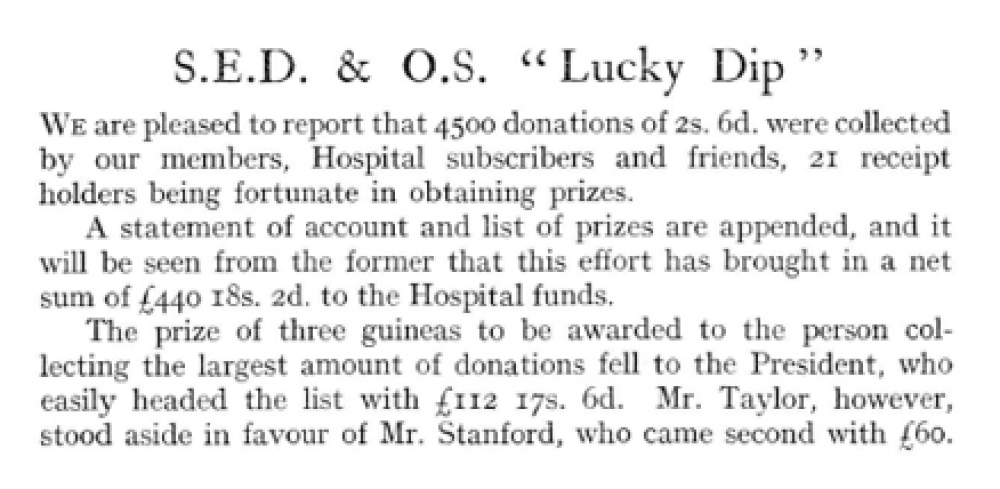
The January 1926 edition of The Chiropodist explains how the 'lucky dip' worked.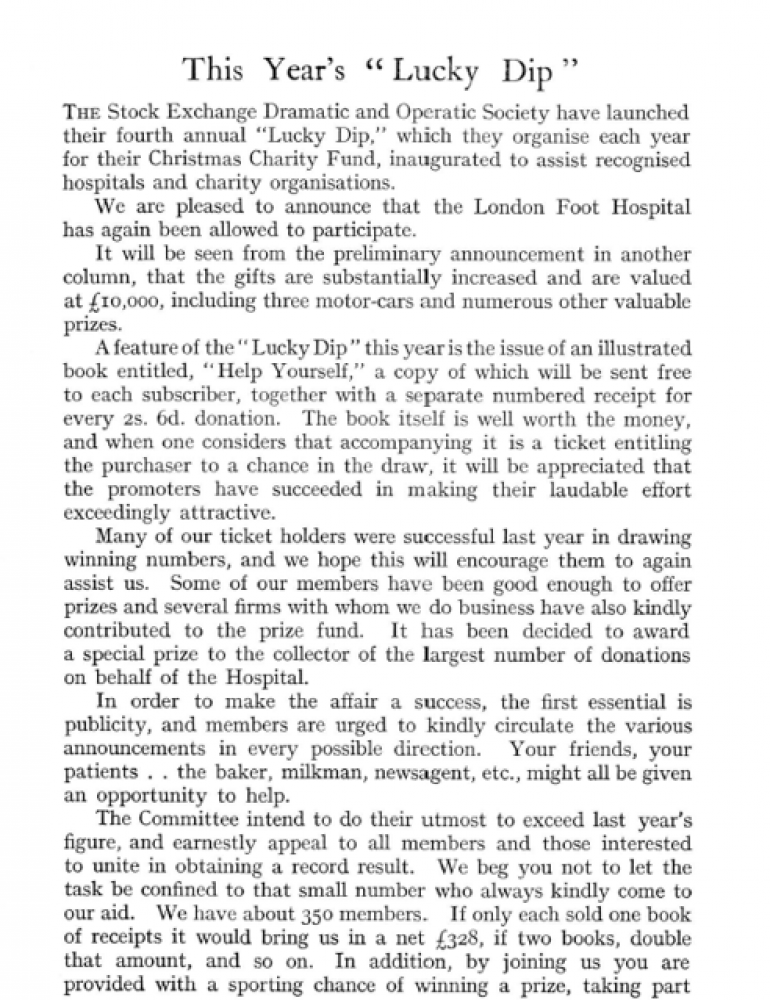
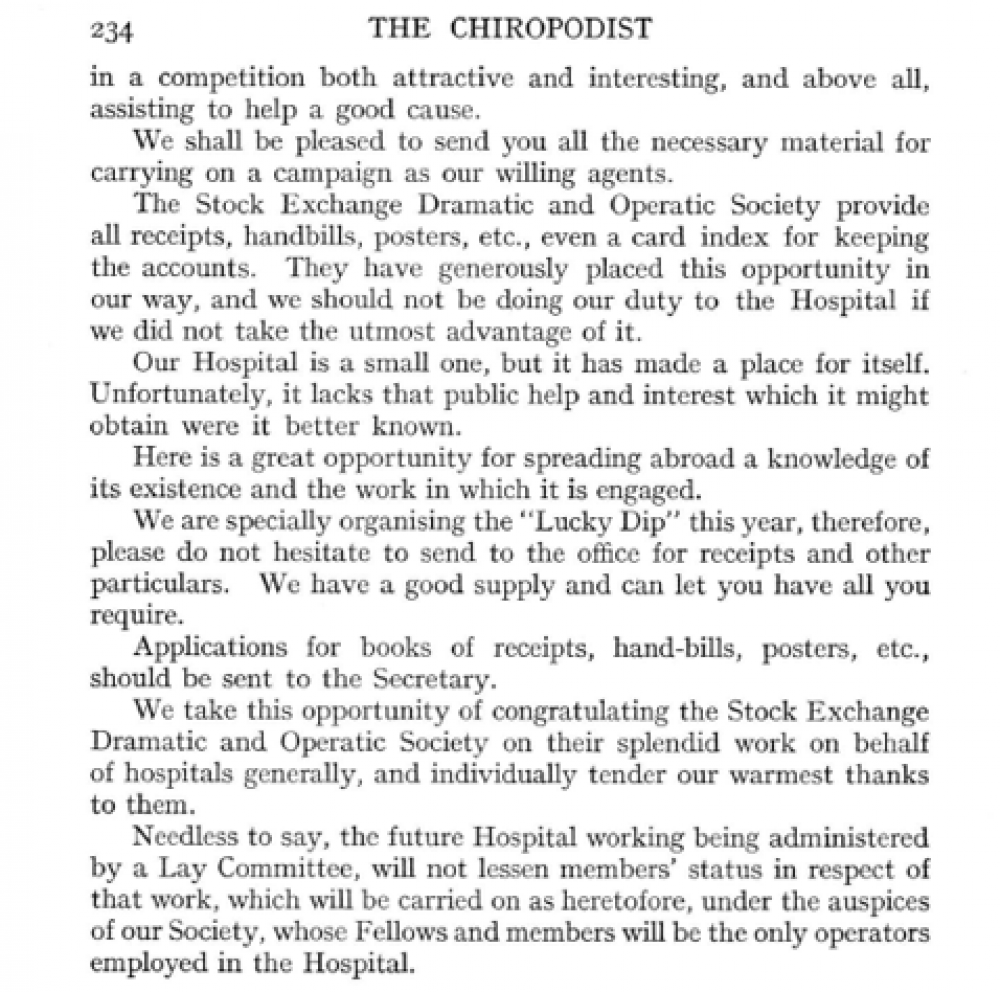
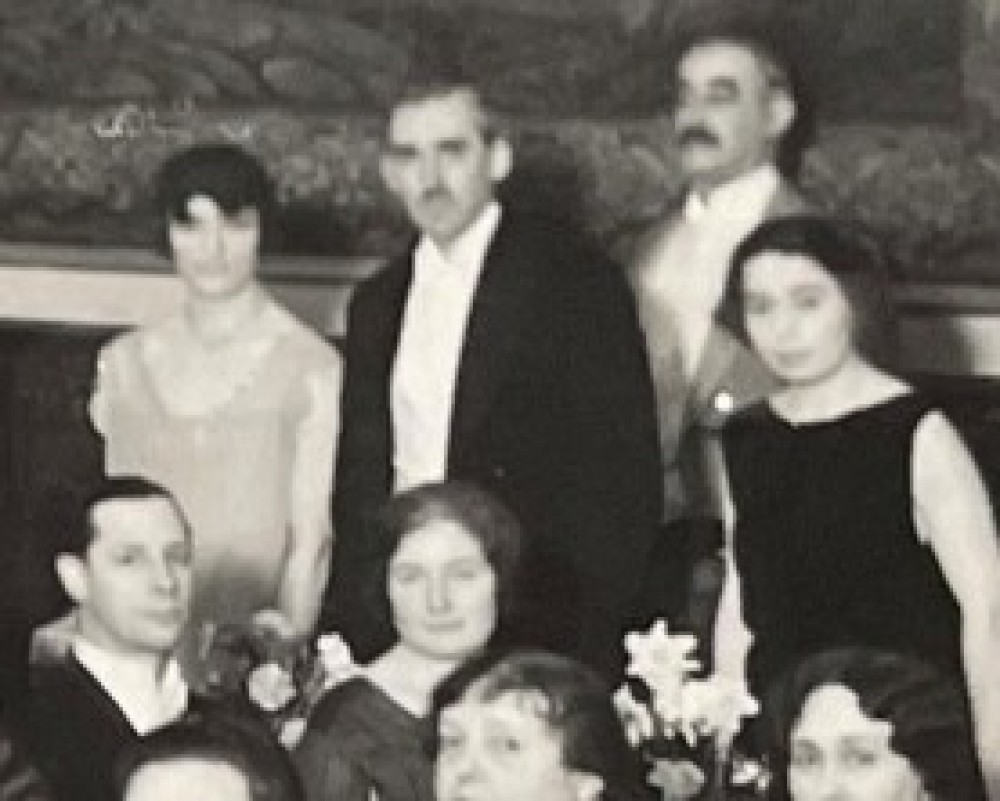
In a later edition, the results of the year's prizes were announced, along with details of monies raised. The President of the Society was W H Taylor. The picture of him below was taken at the Annual Dinner in 1926.
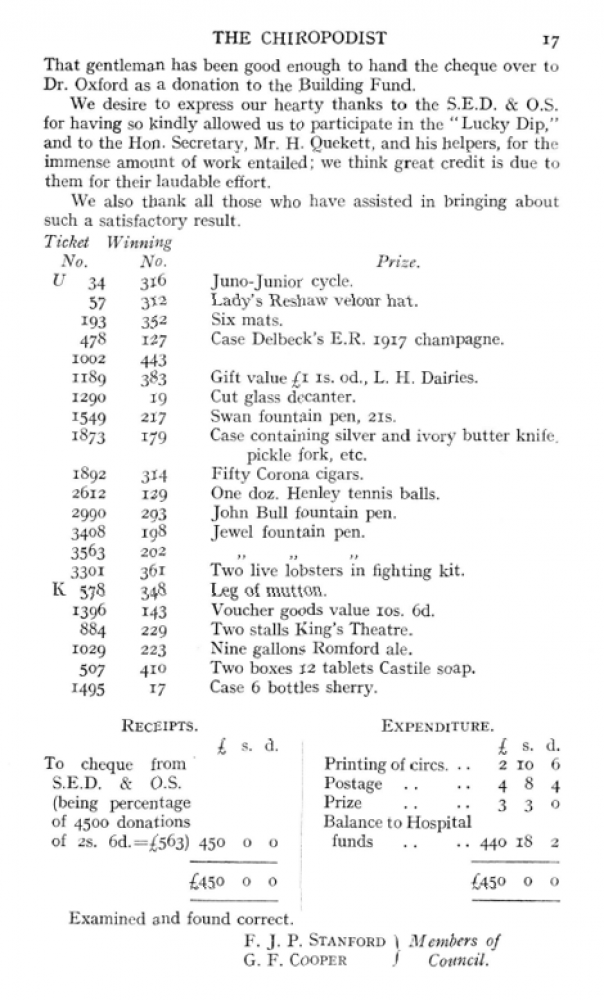
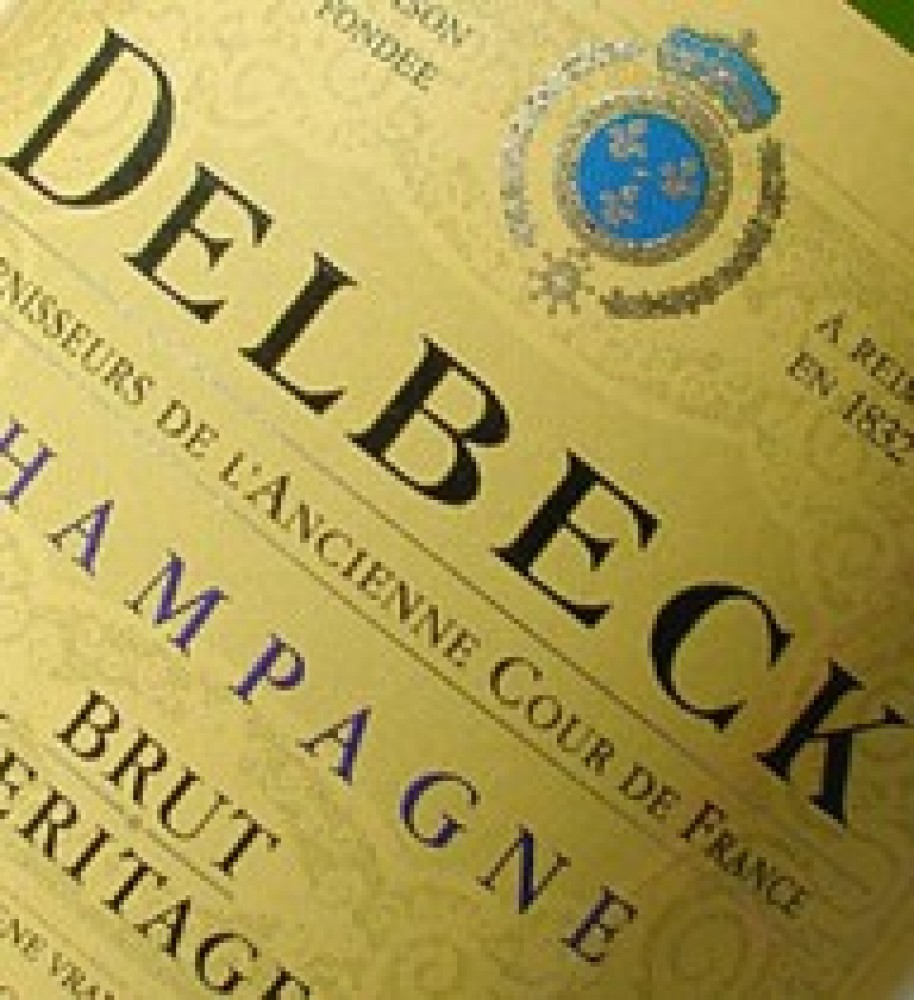
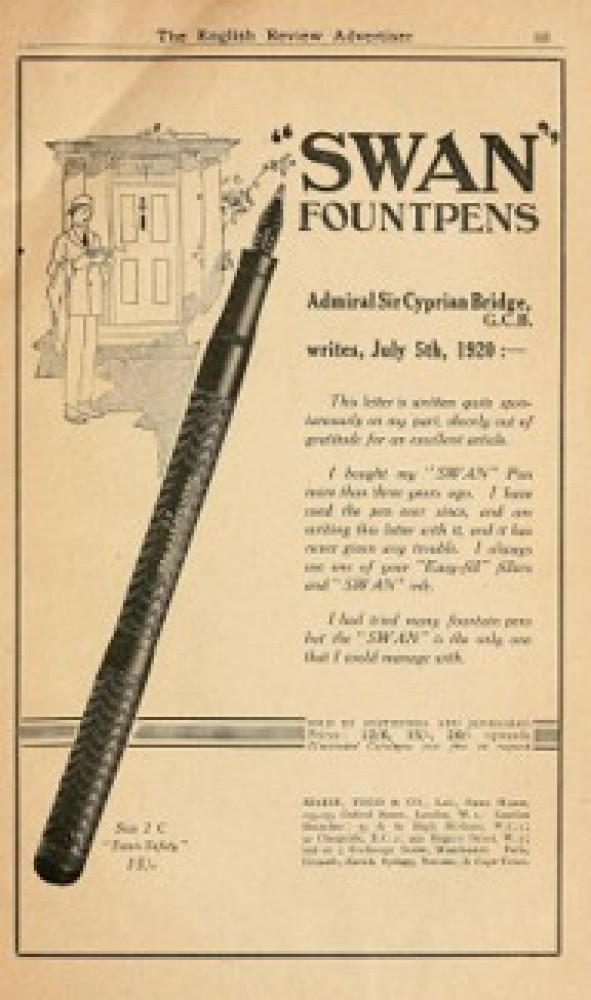
All receipt numbers were entered into a prize draw which featured both comic items, such as the prize of ‘two lobsters in fighting kit’,3 and more mundane items such as two boxes of Castile soap. Other prizes included a case of Delbecks’s 1917 champagne and a Swan Fountain Pen.4
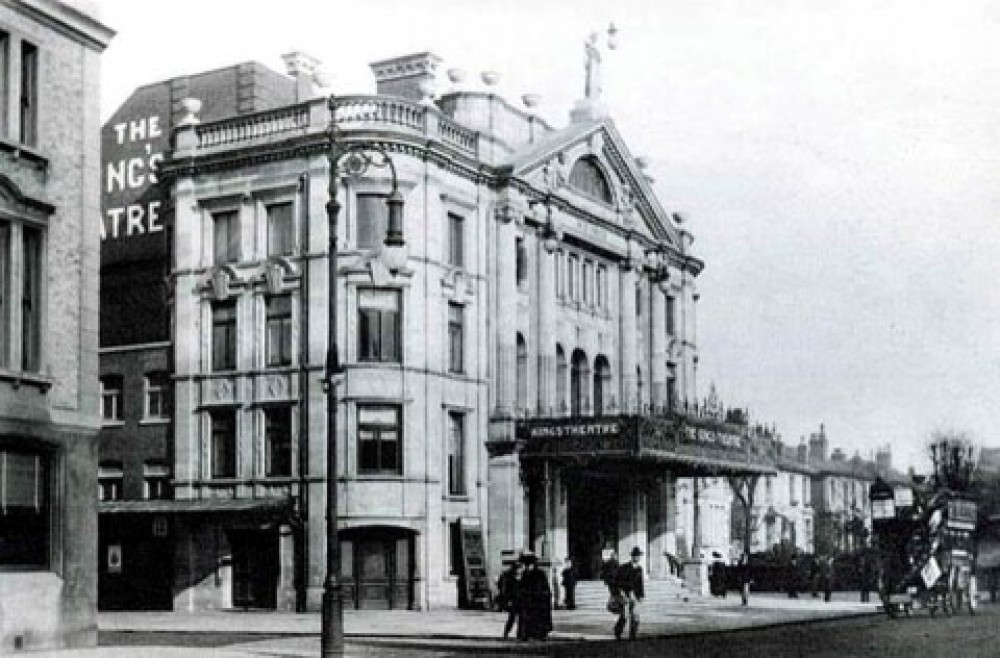
Another prize was a pair of tickets for the King’s Theatre. This was likely to be for a performance by the SED and OS as they often used the King’s Theatre, Hammersmith as a venue.
The Hospital Saturday Fund
Secondly, the Hospital Saturday Fund. This piece in the Journal announced that the London Foot Hospital would be henceforth linked to the fund.

This fund was set up to help maintain voluntary hospitals, by providing grants, recognition, and membership-linked benefits. It was founded in the late nineteenth century as a subscription-based model in which contributors paid small weekly amounts; in return, they received access to hospital care and could nominate “deserving cases.”
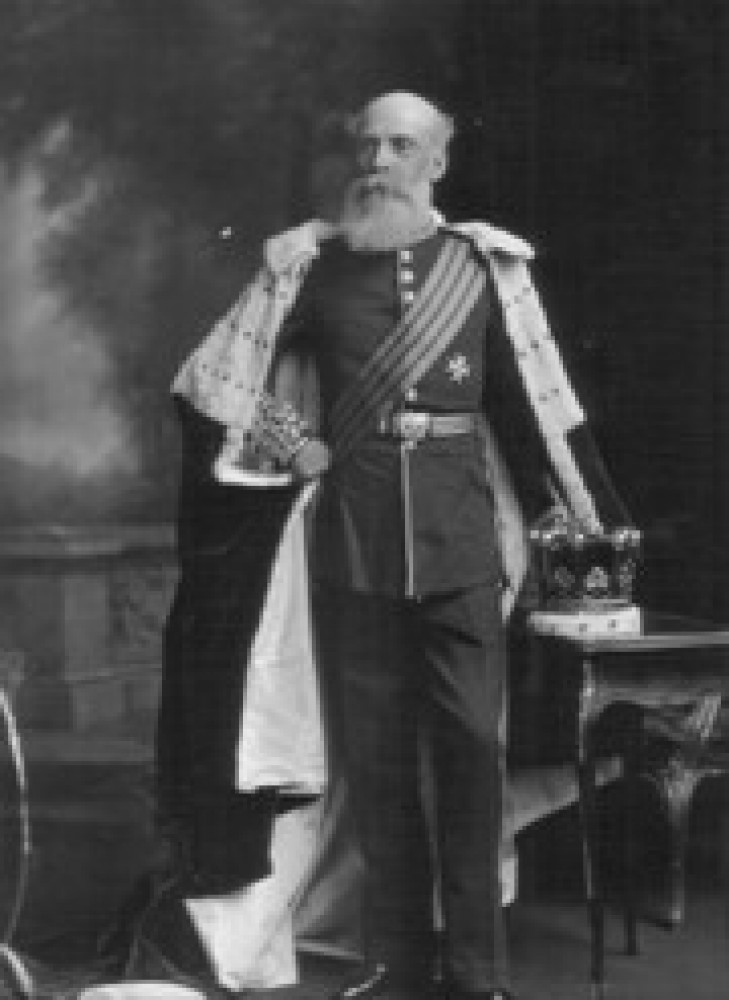
The principle founder in late nineteenth century was Reginald Brabazon, the 12th Earl of Meath, who was a social reformer and philanthropist.5 The Hospital Saturday Fund still exists today, offering grants to both hospital, trusts and individuals alike.6 This quote from their website explains how the name came about.
‘At a meeting in Hyde Park, London in 1873, they made an appeal for the inauguration of a Fund to which all in employment would pay a regular weekly amount which would help to meet the cost of hospital maintenance. In those days Saturday was pay day and so the title HOSPITAL SATURDAY FUND was chosen'.
In 1928, a financial return from the London Foot Hospital lists a grant from the Hospital Saturday Fund under income categories for that year.7
Derby Sweepstakes
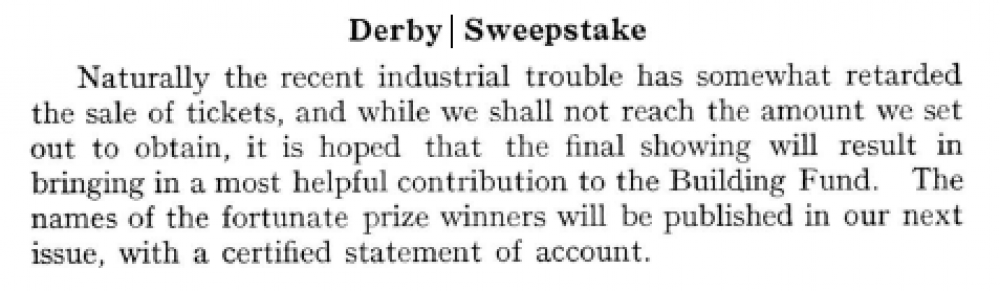
Finally, the archive holds several items of promotional material and tickets for the various Derby Sweepstakes in aid of the Incorporated Society of Chiropodists. This was the piece in the 1926 Journal promoting it.
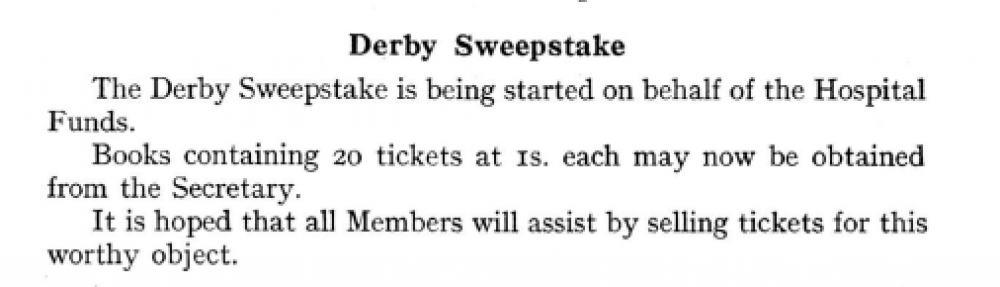
These sweepstakes were charity lotteries centred around the annual Epsom Derby. Workers or subscribers bought low‑cost tickets and each ticket was assigned a horse in the Derby. Prizes were awarded based on the race outcome with the surplus going directly into hospital support funds.
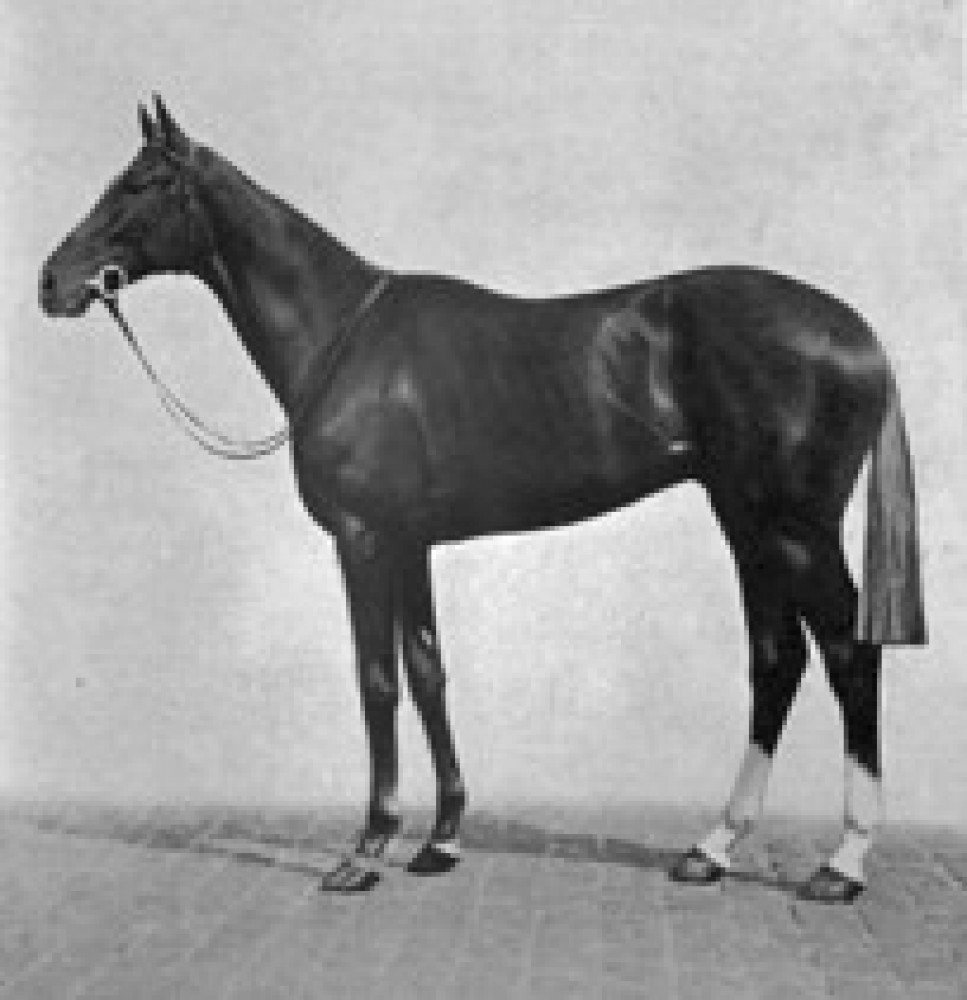
These were highly popular because they combined a key national sporting event with a simple, low cost way for ordinary people to contribute to hospital upkeep. They were completely legal as they operated under exemptions for charitable lotteries. The winner in 1926 was a horse called Coronach (see picture below.)8
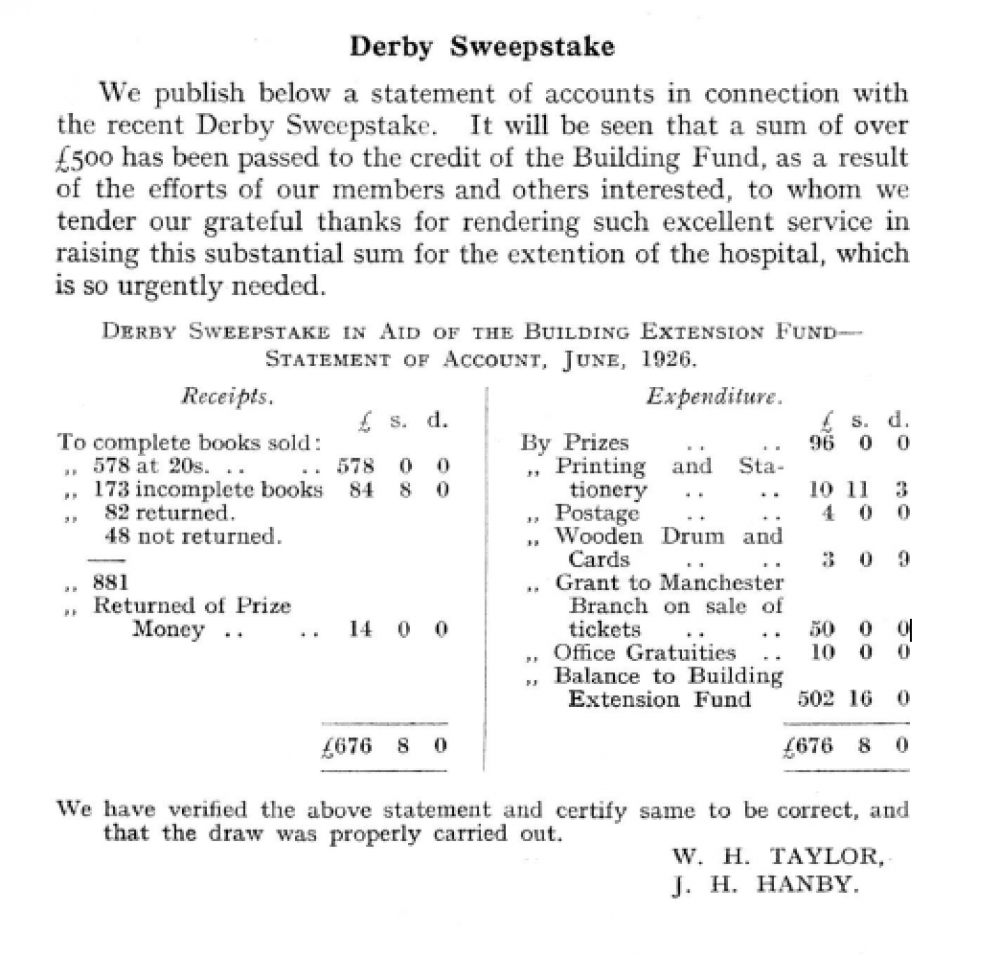
The Journal reported the accounts from the 1926 sweepstakes, which raised the sum of £500 for the building works (this equates to about £8,000 today.)
There was a problem in 1926, as reported in the Journal: this was the General Strike which took place from 3 May to 12 May. The TUC had called workers out in support of the mining community. Over a million took part and the country was bought to a standstill.
Notes:
[1] Pen and Ink study of the London Foot Hospital – 1930 by Ida Gatti (part of the Archive)
[2] https://www.sedos.co.uk/about/about
[3] This probably meant two dressed lobsters with boxing gloves or some such comedic item
[4] Images: Petitpeton, CC BY-SA 3.0 <https://creativecommons.org/licenses/by-sa/3.0>, via Wikimedia Commons/Internet Archive Book Images, No restrictions, via Wikimedia Commons/Public domain, via Wikimedia Commons
[5] Lafayette studio, London, Public domain, via Wikimedia Commons
[6] https://hospitalsaturdayfund.org/
[7] London School of Hygiene and Tropical Medicine Hospitals Database
[8] Coronoach – William Albert Rouch, Public domain, via Wikimedia Commons
| Visit the Centre for the History of Podiatry to find out more about the history of the profession |